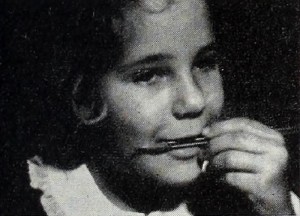
"Take a dozen or more normally exuberant youngsters in the second grade of school, mix them amid a day-long session of changing classes, and flavor with the excitement of making a movie — this was the recipe which Herbert F. Sturdy set himself to follow in cooking up Sweeter by the Dozen. He has been remarkably and quite charmingly successful. That the school was West Lake, in the svelte suburbs of Hollywood, and that the pupils were the progeny of "name" figures in the film colony, may have had, perhaps, something to do with it. But kids will be kids — whether in Glendale or Grand Rapids. By some alchemy of the camera, Mr. Sturdy has indeed made them sweeter by the dozen." Movie Makers, Dec. 1951, 412.
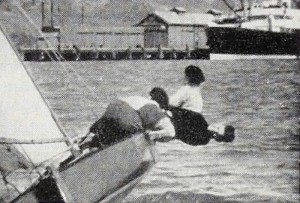
"New Zealand's South Island is the one treated in this production, one of two which Ernest H. Scott made during a prolonged visit Down Under. The awe inspiring Southern Alps have been recorded here with expert camera work and pleasant composition, and the whole impressive terrain of this part of New Zealand is appealingly set forth. The musical scoring, while standard, is adequate to the purpose. The narration is capably written and professionally delivered. If a need for more closeups is felt occasionally, it should be remembered that the large land itself is the star in New Zealand Holiday." Movie Makers, Dec. 1951, 412.
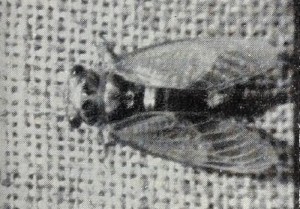
"There is a lively and rewarding sense of participation about Nature Campers which, despite its threatening length, should give this picture wide appeal. In it, an eager-eyed group of young people and a few engagingly raffish naturalists pursue their studies of the outdoors with enthusiasm — and sound cinematics. Birds, butterflies, frogs and fish are among the creatures which come before Herbert Shumway's camera. But they come there, not just in the stiff ultracloseups of the studio, but as a natural part of the picture's development. The background musical selections are an enjoyable addition to an entertaining picture." Movie Makers, Dec. 1951, 412.
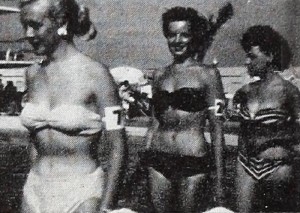
"A bathing beauty parade in Florida, blessing the fishing fleet at Gloucester, a tomato throwing fight in — well, it doesn't matter. These are not, to be sure, true scoops in the journalistic sense of the term. But they do constitute what passes for news these days in the newsreels; and, under George Merz's competent camera treatment and incisive cutting, they most certainly make for good movies. Mr. Merz sustains audience interest throughout Movie News Scoops, working in a film form — the topical newsreel — which the amateur generally has found difficult." Movie Makers, Dec. 1951, 412.
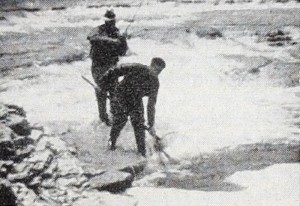
"Eugene E. Wilson has put together a completely charming vignette on the Silver King, the Canadian Salmon, told in verse and picture with simple clarity of purpose and delightful matching of words and images. In that Mr. Wilson also composed the verse, he is to be doubly congratulated, especially since the verse is in French-Canadian dialect, a much abused idiom. The camera handling, composition and final editing are all in complete harmony with the nature of the subject and its properly brief treatment. In Trente Mille Pool is a wholly entertaining piece of work." Movie Makers, Dec. 1951, 412.
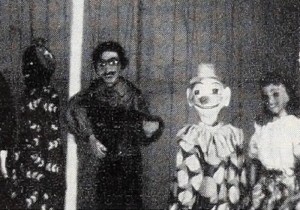
"Although Hobby Show consists of little more than a walk through an exhibition hall, where the talented hobbyists of Long Beach, Calif., have exhibited their crafts and collections, Leonard E. Graham and his wife, Velma, have succeeded in making the experience a constantly interesting one. Each of the exhibits is fascinating in itself, and the Grahams have done an admirable job of overcoming the obstacles of lighting, shooting through glass (which they had to do for some detailed studies of miniatures) and filming under generally difficult conditions. Technically, the film is top drawer. The musical score for the picture of old player-piano music was an inspiration and a delight." Movie Makers, Dec. 1951, 412.
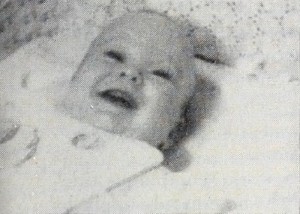
"Louis Dishotsky and Arthur Rosenthal have put together in High Card Goes an entertaining variation on the travel record film. A definite story line replaces the usual slight continuity device. A pair of tickets for a Florida trip are won on a radio quiz show, but since both parents and two children cannot go, the mother and the father draw cards, high card winning. Wifey tops her mate's king with an ace and takes off for Florida, with the older child. The luckless husband is left to tend the baby and the house. While the acting is fine and the production is technically competent, the pictorial-dramatic pace is rather slow. Tighter editing is indicated." Movie Makers, Dec. 1951, 411-412.
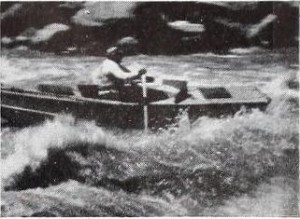
"Grand Canyon Voyage is the record of how seven daring people in three tiny boats ran the Colorado River from Lee's Ferry in Arizona, through the awesome gorge of the Grand Canyon, to Lake Mead in Nevada. The trip itself was the exciting and gallant climax to four years of dedicated effort by Al Morton. Ideally, this film record of the trip should be infused with this same excitement, this same sense of gallant adventure. That it is not consistently so inspirited will be a source of sincere regret to all who know Mr. Morton. But perhaps no motion picture of this dangerous, demanding river run could recreate this spiritual overtone. The physical odds against filming were too great, too overwhelming, for controlled camera work and integrated continuity. Survival itself became more important than an image of it. Al Morton, we believe, has done a supremely difficult job far better than would the most of us. He has done it as well, surely, as any cameraman living." Movie Makers, Dec. 1951, 411.
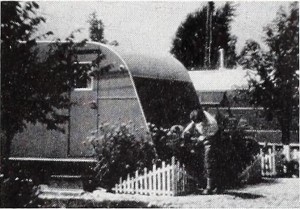
"In the process of viewing Around Lot 34, one is reminded of the gag in old comedies where an impossible number of persons emerge from an automobile. Only in this case it is the incredible amount and variety of produce and flowers grown in the area of a trailer plot. Henry J. Auger has made a "dawn to dusk" film of trailer life, but he has lifted it above a humdrum record by occasional inserts of humor that are wisely not belabored. Mr. Auger makes life in a trailer park seem relaxed and pleasant indeed — with Mother doing all the chores. The result is a film of warmth, refreshingly portrayed." Movie Makers, Dec. 1951, 411.
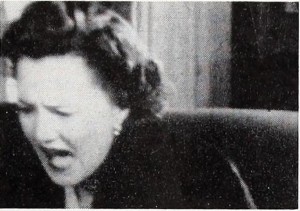
"What happens when a pair of jewel thieves masquerading as house painters get into a lady's apartment to elude the police is entertainingly told in this club production by the 8mm. group of the Seattle Amateur Movie Club. John F. Herman, the director, keeps the action moving, while the players discharge their roles for the most part with good humor. J. W. Crock and George Hayden contribute ably as the cameramen. Although the cutting, as with so many amateur dramas, is not as swiftly paced as one might wish, Apartment C is an engaging example of cooperative filming." Movie Makers, Dec. 1951, 411.
Total Pages: 299
 Amateur Cinema