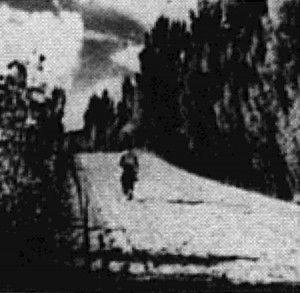
"With great imagination and feeling for color and composition, the maker of this film has captured the moods and beauty of the countryside of New Zealand in its fall and winter dress. The most unusual colors bring an ethereal quality to the film, and to the uninitiated, a desire to visit this beautiful land" PSA Journal, Oct. 1963, 41.
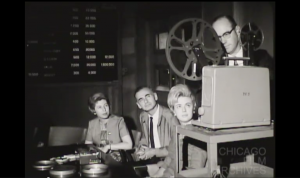
"A silent documentary that follows a group from Central Cinematographers as they view, discuss and shoot films. The process of filmmking becomes transparent as the actors are seen alongside the equipment that lights and films them as well as the large number of people that are needed to prepare for a scene." Chicago Film Archives
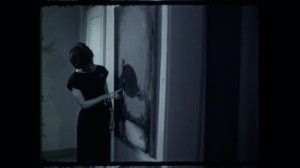
“İlk film çalışmalarını Paris’te gerçekleştiren Heper, Galatasaray Lisesi’nden mezun olduktan sonra önce hukuk okumak için Cenevre’ye gider lakin mutlu olamaz ve okulu bırakarak Fransa’ya geçip, Paris Yüksek Sinema Enstitüsü’de (Institut des Hautes Etudes Cinématographiques – IDHEC) sinema eğitimi almaya başlar. Bu okuldan ‘En İyi Yönetmen’ ünvanı ile mezun olan yönetmen, bu dönem (1963 yılında) gerçekleştirdiği iki kısa filminden ilki olan ‘Bir Kadın’ ile IDHEC, ikinci kısa filmi Şafak ile de hem IDHEC hem de Avusturya Kültür Bakanlığı En İyi Film ödülünü almıştır.” Burak Çevik, Sinematek.tv: http://sinematek.tv/alp-zeki-heper-ve-iki-kisa-filmi-bir-kadin-safak/ (15 November 2019).
“Graduated from Galatasaray Highschool, Heper who first involved in filmmaking in Paris initially went to Geneva to study law. Because he was unhappy in Geneva, he left the law school and went to Paris to study filmmaking at Institut des Hautes Etudes Cinématographiques (IDHEC). He graduated from IDHEC with the award, “the best director.” The two student short films, Bir Kadın and Şafak, made by Heper when he was at IDHEC, received the best film awards from both IDHEC and the Austrian Ministry of Culture. Burak Çevik, Sinematek.tv http://sinematek.tv/alp-zeki-heper-ve-iki-kisa-filmi-bir-kadin-safak/ (15 November 2019).
"A blue lake area that invites sun lovers, bathers, fishermen, and skiing in winter. The picture is about the local people in the Queenstown area, the people who go about their daily events and habits, such as weddings, small boys catching frogs in a lily pond, shopping areas, the filling station, boat service, and the mailman, as if the visitors were part of the community. We travel with one of the small planes as it goes on a mission to drop supplies to men in the forestry service. The local activities of these people remind us so much of our own experiences" PSA Journal, Oct. 1962, 36.
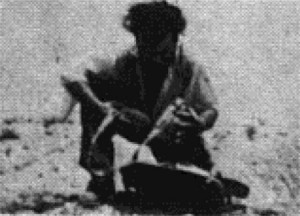
"The zest for gold can impose a hardship upon one so fortunate as to find the metal. The prospector in this film chose the desert for his search, and with success until he realized that he was lost and without water. Another prospector happened by with a canteen of water. In the desert, the price of water can be very great as this thirsty prospector learned to his chagrin" PSA Journal, Oct. 1962, 36.
"As the snow begins to melt, the sugar maple begins to raise some of the water thru its roots. The rising water picks up a small amount of sugar to feed the tree in its new growth. We have learned how to rob the tree of some of this sweet water which we call sap. We boil off the excess water, leaving a syrup-maple syrup. The picture presents the story of gathering the sap and the reduction to syrup. A sweet subject and nicely handled" PSA Journal, Oct. 1962, 36.
"Did any of us ever stop and think about the journey of a checker and that might be left in the street? Where would it travel? This red checker was assisted by the rain and it is carried in the storm drain and on into the stream and lake. We watch its excursion and constantly wonder where it will go. Don Jones shows us the travels of this red checker" PSA Journal, Oct. 1962, 36.
"When one lives near the inland water, a boat is a necessity for a visit to the store. While Father is shopping, the young son takes a boat on an exploration in the land of monkeys, birds, alligators, zebras camels, giraffes, and other exciting game. Although he has a gun, his shooting is done with camera. An adventure that could be enjoyed by any boy. His return to the wharf is timed with the return of his Father and homeward bound, surrounded by the dense jungle" PSA Journal, Oct. 1962, 36.
"Those who have not attended a New Orleans funeral may look forward to an experience. These are colored funerals for lodge members and important persons. Lodge brothers and sisters dress in their fraternal regalia. Men in uniform, braid, sashes, aprons, plumed hats, swords, long coats. Women in white uniforms or long skirts and complimentary headgear. The choice of dress befits the occasion. The Eureka Brass band Furnishes the music-fast marches to the funeral home, dirges to the cemetery, hymns at the graveside. Leaving the grave, jazz music is played as it is propitious to celebrate, a good time for dancing. Many impromptu dances set up along the return route. to hear the band music is enough to get one to attend a New Orleans funeral. The beat is almost hypnotic" PSA Journal, Oct. 1962, 36.
"A visit in New York City but mostly in the spirit of its night life although we do see some of its people and sun-bathed architecture, all to the beat and narration of a Decca recording. The source of the picture material appears to be from magazines and other printed picture sources including some live (but static) posing. The use of camera movement and lens zooming conveys a feeling of motion and activity for an enjoyable visit in New York" PSA Journal, Oct. 1962, 35
Total Pages: 299
 Amateur Cinema