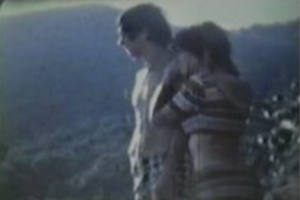
"Era una película que desarrollaba un tema muy propio de la contracultura de la época: la posibilidad de regresar a la naturaleza para vivir una vida al margen de la contaminación y de la vida moderna. Se trataba de una cinta de menos de diez minutos de duración, que contaba una historia breve pero ilustrativa de la naturaleza de los debates entre los jóvenes mexicanos cercanos a la contracultura. [...] La historia de Sergio García hacía una crítica al escapismo hippie, esperanzado por la posibilidad de crear un mundo alterno al de la realidad del capitalismo industrial" (Vázquez Mantecón, 2012).
"It was a film that developed a topic very related to the counterculture of the time: the possibility of going back to nature to live a life away from pollution and the modern life. The film lasted less than 10 minutes, and it told a brief but illustrative story about the nature of the debates between the Mexican youth that was close to the counterculture. [...] The story by Sergio García was a critique of the hippie escapism, hopeful for the possibility of creating an alternate world to the reality of industrial capitalism" (Vázquez Mantecón, 2012).
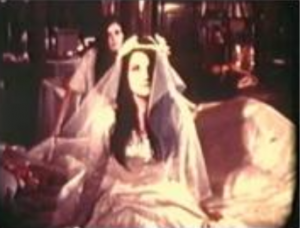
"Celestinos filmó la cinta en una vieja casa de Chimalistac, al sur de la Ciudad de México. Según la historia en ella habitan dos hermanas que viven un encierro real y metafórico a causa de su sexualidad reprimida. Las primeras imágenes de la película muestran a una de ellas vestida de novia, mientras que otra lleva la cola del vestido. La escena da pie a un erotismo doloroso: una de ellas se acaricia para que la cámara muestre en close up sus lágrimas. Un flash back nos muestra la causa: el momento de su infancia en que una monja de visita en la casa le dio manotazos por haberle mostrado una imagen de una mujer desnuda que encontró por casualidad. El personaje busca liberación. (...) La otra hermana también busca salir de la casa (emblema del ámbito doméstico familiar), y encontrar su libertad sexual" (Vázquez Mantecón, 2012)
"Celestinos filmed the tape in an old house in Chimalistac, south of Mexico City. According to the story, the house is inhabited by two sisters that live in a real and metaphorical confinement because of their repressed sexuality. The first images of the film show one of them dressed as a bride, while the other carries the tail of the dress. The scene is followed by a painful erotism: one of the caresses herself to make the camera show her tears in close up. A flash back shows the cause: the moment of her childhood when a nun hits her hands because she showed her a picture of a naked woman that she found by chance. The character seeks liberation. (...) The other sister is also looking forward to leave the house (emblem of the familial domestic scope), and to find her sexual freedom" (Vázquez Mantecón, 2012)
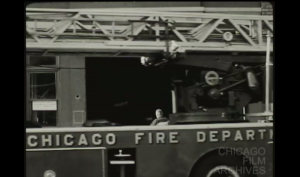
"University of Illinois Chicago (UICC) student film that documents the Chicago Fire Department house and fire officers of 158 West Erie Street. Images of the officers at work and play are interspersed with portraits of the firehouse, which is located in Chicago's River North neighborhood." Chicago Film Archives

"Hansen visits a Caribbean French colony, popularly referred to as Martinique. Much like Hansen's previous travels, he focuses on the colorful and exotic landmarks of the island." UC San Diego Library.

"In 2 parts, the film depicts a cycling journey around central Europe through Belgium, France, Switzerland, Italy, Yugoslavia, West Germany, and the Netherlands. Tourist scenes includes shots of Venetian canals, the leaning tower of Pisa, and Dutch windmills.In 2 parts, the film depicts a cycling journey around central Europe through Belgium, France, Switzerland, Italy, Yugoslavia, West Germany, and the Netherlands. Tourist scenes includes shots of Venetian canals, the leaning tower of Pisa, and Dutch windmills." Chicago Film Archives.

"Scenes from general life in Barbados." UC San Diego Library.
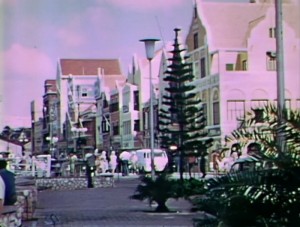
"Hansen gives to Curacao, a Caribbean territory of Netherlands, a visit. He films the industrial, residential, and commercial areas of Willemstad." UC San Diego Library.
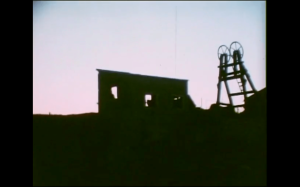
Película argumental que cuenta la historia de la viuda de un minero, basada en un hecho real. Una mujer, evoca su pasado junto a su marido que se ve obligado a trabajar en la mina para sobrevivir.
Fiction film that tells the story of a miner's widow, based on true facts. a woman, evoques her past with her husband who was forced to work in a mine in order to survive.
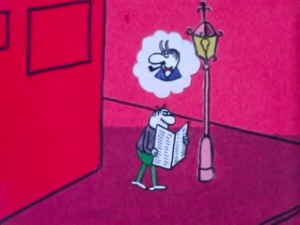
Film experimental de animación que cuenta una pequeña historia de infidelidad conyugal.
Experimental animation film that tells a short story about marriage infidelity.
Total Pages: 299
 Amateur Cinema