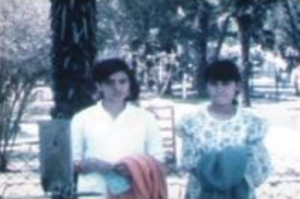
"Esta cinta se basaba en una idea de David Celestinos de enviar a diversos equipos de filmación a desarrollar historias sobre lo que ocurre un domingo en la Ciudad de México de manera simultánea. El resultado fue interesante, en la medida en la que muestra la cotidianidad dominguera de diversos personajes que provienen de distintas clases sociales: un borracho llega con su compadre a la casa de la vecindad y es recibido de mala manera por la mujer, un grupo de juniors pasa el día en Cuernavaca, un hombre solitario recorre las calles y parques del centro de la Ciudad de México, un velador se aburre en el edificio que custodia, dos sirvientas pasan el día en Chapultepec, una familia clasemediera que va a misa y a pasar un día de campo... La cinta sigue el planteamiento hecho por el neorrealismo italiano de no convocar actores profesionales para presentar historias sencillas, ligeramente dramatizadas" (Vázquez Mantecón, 2012.
"This film was based in an idea by David Celestinos of sending diverse filming crews to develop stories about what happens simultaneously on a Sunday in Mexico City. The result was interesting since it showed the Sunday everydayness of diverse characters from different social classes: a drunk man arrives at his friend's house in a poor neighborhood and is received in a bad way by a woman, a group of juniors that spend their day in Cuernavaca, a lonely man that goes through the streets and parks of Mexico City, a night watchman that is bored in the building he is in charge of, two maids that spend the day in Chapultepec, a middle class family that goes to mass and to have a picnic... The film follows the idea posed by Italian Neorealism of not using professional actors to present simple stories, slightly staged" (Vázquez Mantecón, 2012).
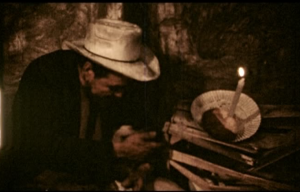
"Era una película muy sencilla, filmada al estilo de cine directo, que seguía los pasos y la vida de un personaje urbano singular: un hombre que acompañado de su perro recorre las calles de la ciudad, las barriadas miserables. La cinta lograba momentos de una gran intimidad al mostrar la vida de este paria solitario y marginal, como aquel en que comparte con su perro un pastel para celebrar su cumpleaños en la soledad de su cuarto" (Vázquez Mantecón, 2012)
"It was a very simple film, made in the style of direct cinema, that followed the steps and the life of a singular urban character: a man that in the company of his dog walks through the city streets, the miserable neighborhoods. The film achieved moments of great intimacy by showing the life of this lonely and marginal pariah, like the moment when he shares a cake with his dog to celebrate his birthday in the loneliness of his room" (Vázquez Mantecón, 2012)
"Narró en la cinta la reflexión existencial de un personaje que piensa sobre la relación entre los ideales genuinos y la realidad que lo rodea. En ella el tema político ocupaba un marco sutil pero presente. El título sugiere el regreso a un lugar donde el pensamiento comience de nuevo, sin supuestos previos. En la cinta de Belaunzarán aparecen mezclados varios elementos que perturban la reflexión del personaje: la propaganda política, Telesistema Mexicano, las imágenes sobre Vietnam, Biafra, Tlatelolco" (Vázquez Mantecón, 2012).
"The film was about the existential reflection of a character that thinks about the relationship between genuine ideals and the reality surrounding him. In it the political theme was a subtle framework, but it was present. The title suggests coming back to a place where thought begins again, without previous assumptions. In Belaunzarán's film there are several elements that disturb the reflection of the character: political propaganda, the Mexican Telesystem, images of Vietnam, Biafra, Tlatelolco" (Vázquez Mantecón, 2012).
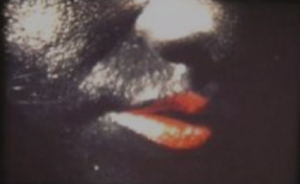
"Un documental sobre las acciones plásticas de Raúl Tovar, pintor pop integrante del Salón Independiente, egresado –igual que Celestinos– de la ENAP. En él aparecen jóvenes con los cuerpos pintados de negro y las bocas rojas en algo parecido a un happening, la elaboración de un mural colectivo con frases icónicas de la época ("la imaginación al poder", "Peace", "Love", citas de Lao-Tse, etcétera). En la película predominaba un ambiente psicodélico que no llegaba más allá de la obra del pintor y del contexto juvenil en el que se producía" (Vázquez Mantecón, 2012).
"A documentary about the plastic art actions of Raúl Tovar, a pop painter member of the Independent Hall, alumni –same as Celestinos– of the ENAP. In it, young people appear with their bodies painted in black and their mouths painted in red in some sort of happening, there is also the making of a collective mural with iconic phrases of the time ("all power to the imagination", "Peace", "Love", quotes by Lao-Tse, etcetera). A psychedelic ambiance prevailed, not going beyond the work of the painter and the youthful context produced at the time" (Vázquez Mantecón, 2012).
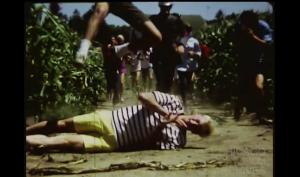
"The film depicts a Boy Scout's walk through a rural setting. He's later joined by a group of children who follow him through meadows and corn fields." Chicago Film Archives
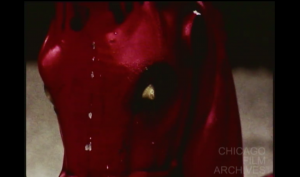
"Student film made at the School of the Art Institute of Chicago set to "Sugar Mountain," a song by Canadian folk rock singer and composer Neil Young." Chicago Film Archives
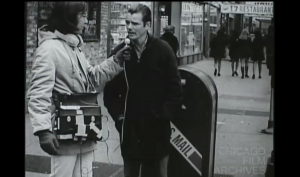
"RATAMATA is a portrait of the diverse opinions of Chicagoans (ranging from high school students to habitual mayoral candidate Lars Daly) as they reflect on the general state of affairs in America, the war in Vietnam, social and racial conflict, freedom and personal liberty, happiness, and social justice." Chicago Film Archives
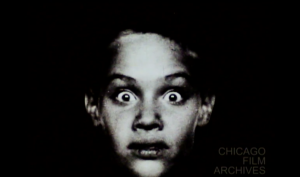
"Expression of the evolution of man out of suffering seen through the use of animated portraits, decaying clay sculptures and various optical effects." Chicago Film Archives
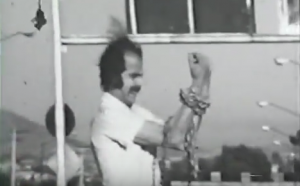
"A successful man living in a great metropolis is increasing awareness of the unjust social reality that lives in the absurdity. This immerses him in a uneasiness that sinks into alcoholism and depression. In his wandering through the streets viewer gets to be the unfortunate suicide of another victim of the meaninglessness of life, which will produce a series of dreamlike hallucinations bordering on the madness. In a stroke of consciousness of his misfortune, he does run aimlessly without course. Devastated, to the dawn, with the light of the dawn he sees to be reborn the hope personified in an innocent girl who stretches the hand donating bread" Internet Archive.
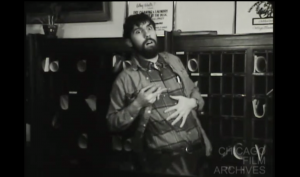
"A University of Chicago student film production and “Young Chicago Filmmakers Festival” award winner in 1971, Holden Franz Aust’s "In The Divine Plan" pits Nietzsche against Jesus in an ultimate ideological battle. Christian moralism meets Nihilism." Chicago Film Archives
Total Pages: 299
 Amateur Cinema