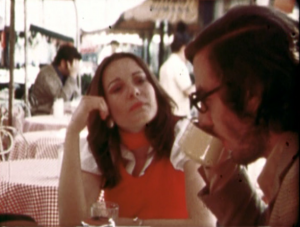
"Una cinta cargada de referencias a Jean-Luc Godard (Los Carabineros, 1963) pero sobre todo concentrada en la crítica mordaz al radicalismo de izquierda. Una vez más Marco Antonio Madrid hace el papel de protagonista, un joven de pelo largo, pantalón de mezclilla y saco, que se dedica a ligar en los cafés de la Zona Rosa adoctrinando a las mujeres. Lee a Marx después de hacer el amor, y se junta con sus amigos para brindar por "la muerte de la intelectualidad burguesa". Montero utiliza intertítulos como recurso irónico, una suerte de narrador externo que interpela la historia: "¿Qué es la intelectualidad burguesa?". La lucha revolucionaria del joven y sus amigos está teñida de sentido del humor. En una secuencia que recuerda mucho a Los Carabineros, suben al techo de una fábrica para iniciar la lucha armada (...) Por último un cartel proporciona una última burla: "Y si el sol es burgués detendremos al sol" " (Vázquez Mantecón, 2012).
"A film loaded with references to Jean-Luc Godard (The Carabineers, 1963), but above all focused on biting criticism to the radical left. Once again Marco Antonio Madrid plays the role of the lead character, a young man with long hair, jeans and coat, that dedicates his time to hook up in the coffee shops of the Zona Rosa indoctrinating women. He reads Marx after making love and he gets together with his friends to toast for the "death of the bourgeois intellectuality". Montero uses intertitles as a resource for irony, a sort of outside narrator that interpellates the story: "What is bourgeois intellectuality?". The revolutionary fight of the young man and his friends is filled with a sense of humor. In a sequence that reminds us of The Carabineers, they go to the rooftop of a factory to begin the armed fight. (...) Finally a sign shows one last derision "And if the sun is bourgeois, we will stop the sun" " (Vázquez Mantecón, 2012).
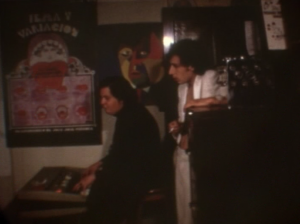
"Quizá para dejar claro que abordaba el tema desde un punto de vista artístico, la película comienza con imágenes de erotismo en las artes plásticas (Picasso y Fiona Alexander, principalmente) para relatar la historia de un hombre (Salvador Garcini) que se acerca sensualmente a su amada (Tina Romero) y descubre que tiene una vagina dentada, cosa que lo desorienta y conflictúa. Es curioso que a diferencia del poema de Neruda en el que se había inspirado, la película no mostraba el ejercicio de una sexualidad plena y consumada, sino precisamente de los miedos a ella.
El joven vaga atormentado por las calles de la ciudad. Acude con una especie de gurú (Juan José Gurrola), que interpreta música neuroatonal en un teclado eléctrico, mientras resuena el poema de Neruda. A partir de esto el joven recupera sus fuerzas y recibe una suerte de inciación sexual con una mujer de vestido blanco en la pirámide de Cuicuilco para finalmente volver, todo complejo superado, a la mujer del principio" (Vázquez Mantecón, 2012)
"Maybe to make it clear that the topic was addressed from an artistic perspective, the film begins with erotic images from plastic arts (mainly Picasso and Fiona Alexander) to tell the story of a man (Salvador Garcini) that approaches sensually his loved one (Tina Romero) and discovers that she has a Vagina Dentata, which disorients and conflicts him. It is curious that unlike the Neruda poem it is inspired by, the film doesn't show a free and consummated sexuality, but the fears associated with it.
The tormented man wanders the streets of the city. He goes to a sort of spiritual guru (Juan José Gurrola), that interprets neuro-atonal music in an electric keyboard, while Neruda's poem sounds in the background. From this point the young man regains his strength and receives a sort of sexual initiation with a woman dressed in white in the pyramid of Cuicuilco to finally come back, all complexes aside, to the woman of the beginning" (Vázquez Mantecón, 2012)
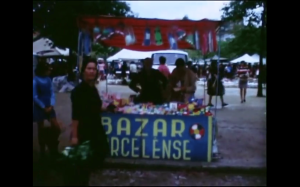
Documental sobre un mercado en Barcelos, un pueblo del norte de Portugal, que se celebra todos los jueves del año. En él, se pueden encontrar hasta las cosas más inverosímiles.
Documentary about a market in Barcelos, a northern town in Portugal, that happens every Thursday of the year. In the market, even the most improbable things can be found.
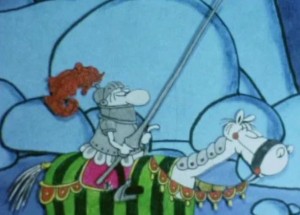
Film de animación que cuenta la anécdota de un caballero que tiene un encuentro casual cuando se dirige a las Cruzadas.
Animated film that tells the story of a knight that has a casual encounter as he travels to the Crusades.
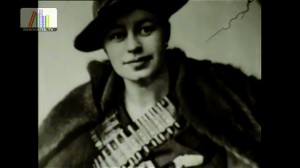
“‘Ben Milyonlarca emekçiden birisiyim barışçıyım ve devrimciyim’ diye başlıyor 12 dakikalık film. Mehmet Özgentürk seslendirmiş. Finlandiyadaki iç savaş ve devrimciler hakkında bilmediğiniz birçok şeyi içinde Enternasyonalin de olduğu Fince marşlar eşliğinde anlatıyor. 1956 yılında gerçekleştirilen 3 hafta süren büyük grevden başlayarak Finlandiya’daki mücadeleyi Nazım şiiri eşliğinde izleyeceksiniz.” Sinematek.tv: http://sinematek.tv/baris-kavgasi/ (30 October 2019).
“The film begins with the sentence, ‘I am one of the millions of workers; I am a pacifist and revolutionist.’ It was narrated by Mehmet Özgentürk. It tells the unknown story of Civil War in Finland and that of Finn revolutionists, synchronized with the local marches. You will watch the Finn revolutionary struggle—since the Great Strike of 1956, lasted 3 weeks—which is accompanied by a Nazım [Hikmet] poem.” Sinematek.tv: http://sinematek.tv/baris-kavgasi/ (30 October 2019).
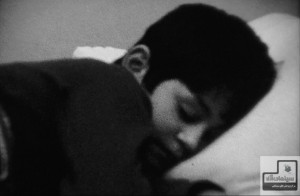
The film follows a group of children living in the same alley. The garbage truck arrives every day disrupting their dreams. The sleepy children are forced to take the garbage out every time and play in the alley after the garbage are taken. The garbage truck stops coming to their alley, allowing them to finally sleep and dream for longer but also results in the neighbours throwing garbage in the alley, stopping the children from playing together.
Film about the lives of people in Lorestan, Iran.
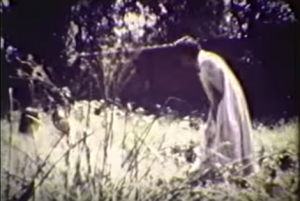
" Ah, verda'? planteaba una extraña combinación entre la militancia política y la contracultural. Jugaba con el ataque a los símbolos del orden nacional y estatal (la bomba en el Monumento a la Revolución y en el PRI, los judiciales persecutores), la crítica a la sociedad de consumo representada por la huida de la pareja de jóvenes entre los espectaculares, la liberación sexual (la combi zarandeada porque dentro hacen el amor, o la urgente calentura de los monjes una vez que han probado el LSD y cruzado las puertas de la percepción), y la representación de la fantasía jipiteca de que el mundo sería más alivianado si todos probaran las drogas duras" (Vázquez Mantecón, 2012).
" Ah, verda' [Ah, right?] was a strange combination between political and countercultural militancy. It played with the attack to symbols of state and national order (a bomb in the Monument to the Revolution and in PRI offices [Revolutionary Institutional Party], the chasing police men), a critique to a consumer society represented by a young couple running away in between billboards, the sexual liberation (a truck shaken because someone is making love inside, the sex desire of monks once they have tried LSD and crossed the gates of perception), and the representation of the mexican hippies' fantasy in which the world would be cooler if everyone tried hard drugs" (Vázquez Mantecón, 2012).
Total Pages: 299
 Amateur Cinema