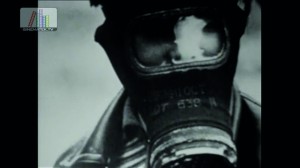
“1975 yılında yapılmıştır. İngiltere'nin İrlanda’daki sömürüsü, politik mahkumları, özgürlük mücadelesi hakkında 5 dakikalık bir filmdir. Dönemin görsel materyal azlığı koşullarında bol fotoğrafla ve az görüntülü bilgilendirme amaçlı bir filmdir.” Sinematek.tv: http://sinematek.tv/davut-ile-golyat/ (1 November 2019).
“It was made in 1975. This 5-minute-long film is about the British exploitation in Ireland, the political struggle [of the Irish people], and the fight for freedom. Because of the lack of visual material at the time of production, it purposefully benefits from the use of [the historical] photographs as counter-information.” Sinematek.tv: http://sinematek.tv/davut-ile-golyat/ (1 November 2019).
The film follows a blind young man in Lorestan who spends his summer alone in his village while everyone else has moved under the mountain away from the heat. He waits for cars next to the road in hopes that they will give him money. While trying to find a car that passed him one day he finds a water stream by accident and the calmness of its environment makes him seek refuge there every day. But the seasons change and after the first rain, the small stream turns into a big body of water and the young man is left with nowhere to bring him happiness every day.
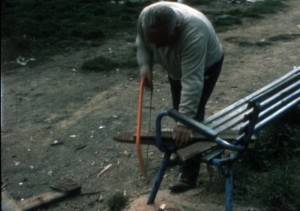
Segunda parte de la película que, partiendo del año1975, plantea qué ha sido de quienes perdieron la guerra. El filme habla de opresión, el mundo del trabajo, la evolución de los pueblos y los problemas que enfrentan.
The second part of the film starts in 1975, and tells the story of those who lost the war. The film speaks of oppression, the job market, the evolution of towns and the problems they face.
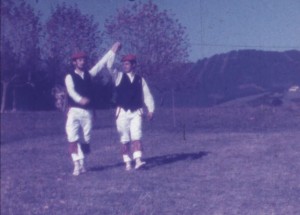
La primera parte de la película recoge la historia pasada de Bizkaia y el País Vasco a través de sus pueblos. En cada pueblo se realiza una narración relacionada con la historia de ese lugar y su contexto en relación a Bizkaia.
The first part of this film tells the past story of Biscay and the Basque Country by depicting its towns. Each town has a narration, related to that place's history and to its context relating it to Biscay.
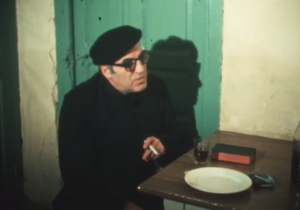
Un cura preocupado de que una pareja viva en el mismo hogar sin estar casados, pide un milagro. Reza para que alguien en la pareja se enferme a fin de que valoren la vida y entiendan la necesidad de seguir los preceptos de su religión.
A priest concerned with a couple living together without being married, asks for a miracle. He prays for someone in the couple to become ill so that they will value life and the need to follow the precepts of religion.
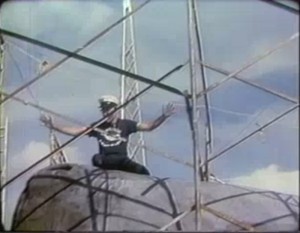
"In 1975, Connecticut made the sperm whale its official state animal, as a symbol of conservation. The following year, a group of volunteers from the Connecticut Cetacean Society spent over 5,000 hours building a life-size, 60-foot, ferro-cement model of a male sperm whale, on the grounds of the Children's Museum in West Hartford, Connecticut, USA. Director of the project was Robbins Barstow, who filmed this dramatic, home-made documentary." Archive.org
The story follows an old man and a young boy who dig a well together. The boy digs the well from the bottom and the old man sits at the top and empties the dirt that he pulls up in a bucket

"Primer súper 8 de Nicolás Echevarría, quien ya había realizado un trabajo experimental en 16 milímetros y veía en los superocheros una suerte de "comunidad de marginados" con la que se sentía a gusto, mostraba sobre el fondo de una pieza de Ravel las poses de un contorsionista que buscaba la autosatisfacción en un decorado que asocia la noción burguesa de confort al erotismo" (Vázquez Mantecón 2012)
"First super 8 film of Nicolás Echevarría, who had already filmed and experimental piece in 16 mm and saw in the supereighters a sort of "outcasts' community" that he identified himself with, it showed with the background of a Ravel musical piece the poses of a male contortionist looking for self-satisfaction in a setting that associates the notion of the bourgeoisie to the comfort of eroticism"
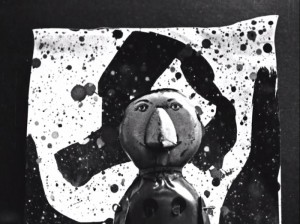
"A mechanical toy from 1880 walks through a landscape created by Michael Morris" Karl Spreitz and Collaborators Archival Film Collection.

"Luz externa fue una de las producciones más ambiciosas del súper 8 mexicano. El guión se basaba en el monólogo de Ernesto, un machín jipiteca, que relata a un amigo las peripecias con su novia Raquel. Posteriormente el guión sirvió como la base del cuento con el mismo título que apareció como parte del libro El rey se acerca a su templo. Tanto la película como el cuento se abocaban a describir el abanico amplio de la juventud clasemediera urbana contracultural que había aparecido a fines de los años sesenta y principios de los setenta: los macizos que acceden al consumo de drogas, las muchachas de buena familia que se acercan a ese mundo, los nuevos conversos a la revolución social o los intelectuales que participan del ambiente con simpatía" (Vázquez Mantecón, 2012).
"Luz externa [External light] was one of the most ambitious productions of the Mexican super 8. The script was based in the monologue of Ernesto, a 'machin' hippie, that tells a friend about his adventures with his girlfriend Raquel. The script served later as the base for a short story with the same title that appeared as part of the book El rey se acerca a su templo [The king approaches his temple]. Both the movie and the short story described the wide range of the middle class urban countercultural youth that emerged at the end of the sixties and the beginning of the seventies: the strong men that had access to drugs, the girls from good families that entered that world, the new converts to social revolution or the intellectuals that sympathize with that ambiance" (Vázquez Mantecón, 2012).
Total Pages: 299
 Amateur Cinema