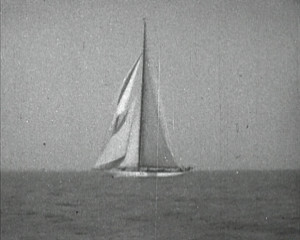
"One of a series of films recording the travels of the schooner Elver, her owner V.B. Harrison, crew and guests. Scenes are shot from the Elver including adjustment of sails, sea, waves, buoys, coastline and passing boats, sometimes close enough to see crew in detail." (EAFA Database)
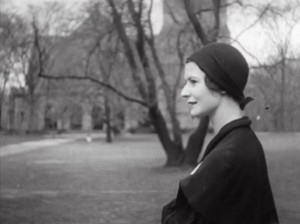
"She Goes to Vassar is a one-reel film that provides an overview of college life from the perspective of a new freshman student. From her arrival on campus, to settling into her new dorm and meeting her professors and classmates, the film depicts many facets of the college experience. Perhaps most striking about the film from today’s perspective are the shots of the academic environment, as the young women attend lectures and labs instructed by their professors, many of whom are also women. Though it was ultimately used primarily as a fundraising tool by the college’s alumni association, the film nevertheless provides a valuable glimpse of this women’s college through the eyes of a recent graduate." Women Film Pioneers Project
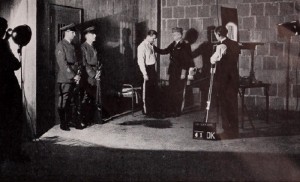
"Everyone is familiar with the fine work turned out by the Greenbrier Amateur Movie Club of White Sulphur Springs, W. Va. This club was given the fourth prize for their production "The Black Door," which has been honored in other contests conducted both here and abroad. This organization shows a fine sense of production values and an insight into what is required to build the proper suspense in motion picture entertainment." American Cinematographer, Dec. 1932, 7
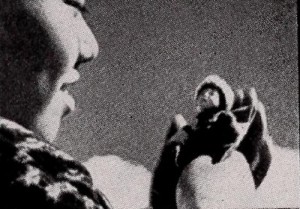
"Possibly the most outstanding features of Okamoto's work were his photography and composition. Many regarded his photography as the finest that had ever been put on motion picture film." American Cinematographer, Dec. 1932, 7.
"Second prize was awarded to Tatsuichi Okamoto of Matsuyama, Japan. Title of his single reeler is 'Lullaby,' which depicts the emotions of a mother singing to her child." Variety, Dec. 13, 1932, 2.
"All of the players in this picture were boys in a summer camp who upon discovering that one of their members has a movie camera decide to make a motion picture. Like all youth they decide to imitate and based their story on Tarzan. The producers of this worked up a splendid bit of comedy, interjected a fine piece of melodrama with an Alger Jr. finish that rounded it out into a production that many of the judges felt would have been worthy of showing in any theatre. The acting, direction, story and handling as a whole was considered equal to many a professional comedy." American Cinematographer, Dec. 1932, 7.
Total Pages: 299
 Amateur Cinema